
News
致力于为各行业提供:环形锻件、轴锻件、模锻件等自由锻造和模锻锻造件。In the realm of industrial manufacturing, 16Mn alloy flanges stand as critical components, widely used in pipelines, machinery, and structural assemblies. The pricing of these flanges is a key consideration for engineers and buyers, as it directly impacts project budgets and operational efficiency. Understanding the factors influencing 16Mn alloy flange prices is essential for making informed decisions in procurement.
16Mn alloy flanges are forged components made from carbon and manganese steel, typically with a carbon content of around 0.12-0.20% and manganese content of 1.2-1.6%. This alloy offers excellent strength, toughness, and weldability, making it suitable for high-pressure and high-temperature applications. The flanges are available in various standards, such as ANSI, DIN, and JIS, to meet international engineering requirements.
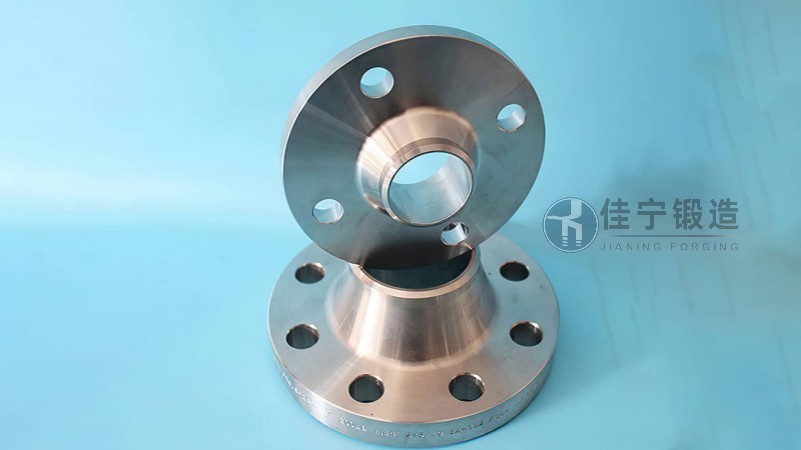
One of the primary advantages of 16Mn alloy flanges is their high tensile strength, which allows them to withstand significant mechanical stress. Additionally, the alloy exhibits good ductility, ensuring that the flanges can endure thermal expansion and contraction without cracking. The material also has excellent corrosion resistance, particularly in neutral and slightly acidic environments, reducing maintenance costs over time. Furthermore, 16Mn alloy flanges are cost-effective compared to stainless steel or high-alloy alternatives, making them a popular choice for general industrial applications.
16Mn alloy flanges are widely used in various industries, including oil and gas, petrochemical, power generation, and water treatment. In oil and gas pipelines, they are used to connect pipes and equipment, ensuring leak-proof joints under high pressure. In petrochemical plants, the flanges handle corrosive fluids, while in power generation facilities, they are part of boiler and turbine systems. The versatility of 16Mn alloy flanges makes them suitable for both new construction projects and retrofitting existing infrastructure.

The price of 16Mn alloy flanges is influenced by several factors, including the material grade, size, thickness, and quantity ordered. Larger flanges or those with thicker walls require more raw material and machining time, leading to higher costs. The manufacturing process, such as hot forging or cold forming, also affects the price. Additionally, market conditions, such as raw material prices (steel, manganese) and global demand, can cause fluctuations in pricing. Quality certifications, like ISO 9001 or API 5L, may also add to the cost, as they ensure compliance with industry standards.
At Jianing forging, we prioritize efficiency and quality to offer competitive pricing for 16Mn alloy flanges. Our state-of-the-art forging equipment and skilled workforce enable us to produce high-quality flanges with consistent dimensions and surface finishes. We maintain long-term relationships with reliable steel suppliers, ensuring stable raw material costs. By optimizing our production processes and minimizing waste, we pass on cost savings to our customers. Our team of engineers works closely with clients to understand their specific requirements, providing customized solutions that meet both performance and budget constraints.

If you are looking for reliable 16Mn alloy flanges at competitive prices, contact Jianing forging today. Our experts are ready to assist you with your procurement needs, providing detailed quotes and technical support to ensure your project succeeds. Don't hesitate to reach out and discover how our 16Mn alloy flanges can enhance your industrial applications.

 Shanxi Jianing Forging Co., Ltd
 176 9623 6479(Manager Xue)
  176 9623 6479
  Cuijiazhuang Industrial Park, Dingxiang County, Xinzhou City, Shanxi Province
 telephone
top