When it comes to outer ring forgings, manufacturers face a complex set of considerations that directly impact the final product's performance, durability, and cost-effectiveness. The outer ring forging process involves transforming raw materials into precision components through specialized forging techniques, making material selection, manufacturing methods, and quality assurance critical steps in the production cycle.
Choosing the right material is paramount for outer ring forgings, as it directly influences the component's strength, corrosion resistance, and thermal properties. Manufacturers typically evaluate options such as carbon steel, alloy steel, and stainless steel based on the application's demands. For instance, carbon steel is preferred for general industrial applications due to its cost-effectiveness and good strength, while alloy steel offers enhanced performance in high-stress environments. Stainless steel, on the other hand, is ideal for applications requiring corrosion resistance, such as in chemical processing or marine industries. The selection process often involves consulting with engineers and considering factors like load conditions, temperature ranges, and environmental exposure.
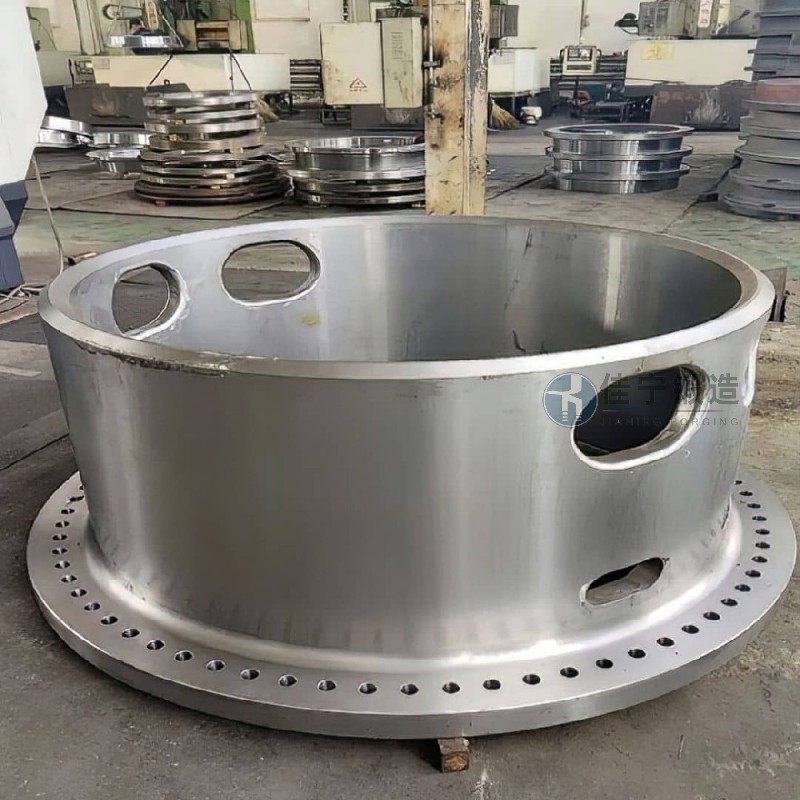
The manufacturing process of outer ring forgings significantly impacts the final product's dimensions, surface finish, and mechanical properties. Common forging techniques include hot forging, cold forging, and isothermal forging. Hot forging involves heating the material to a high temperature before shaping, which allows for easier deformation and better material flow, resulting in higher strength and better surface quality. Cold forging, performed at room temperature, offers higher precision and better dimensional stability but requires more force. The choice of process depends on the material type, desired tolerances, and production volume. Advanced manufacturing technologies, such as computer-aided design (CAD) and computer-aided manufacturing (CAM), enable manufacturers to optimize the forging process, reduce waste, and improve efficiency.
Quality control is a non-negotiable aspect of outer ring forging manufacturing, as it ensures that each component meets the required specifications and performs reliably under operational conditions. Manufacturers employ various inspection methods, including visual inspection, dimensional measurement, and non-destructive testing (NDT) like ultrasonic testing and magnetic particle inspection. These tests check for defects such as porosity, cracks, and improper grain structure. Additionally, material certification and traceability are essential, as they verify the material's origin and compliance with industry standards. Consistent quality control processes help manufacturers maintain customer trust and meet regulatory requirements, especially in industries like automotive and aerospace where safety is paramount.
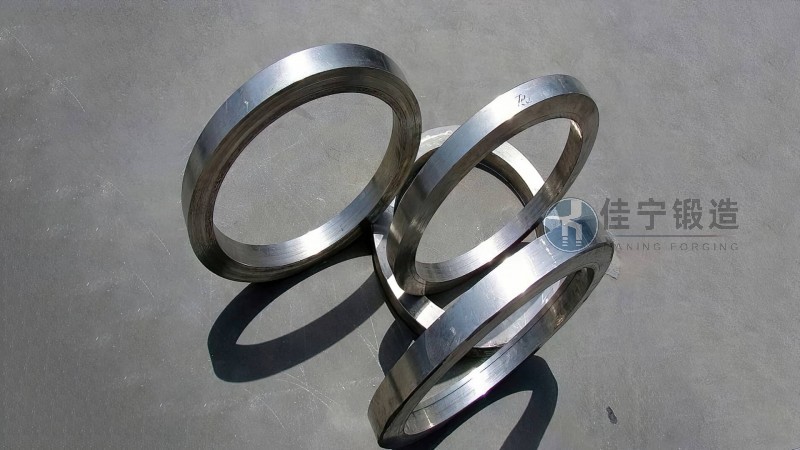
Manufacturers of outer ring forgings must also consider customer-specific requirements, as each application has unique demands. Customization options include varying dimensions, material grades, surface treatments (e.g., polishing, coating), and special features like holes or slots. Understanding the end-use application is crucial, as it helps manufacturers tailor the product to meet performance criteria. For example, in the automotive industry, outer ring forgings may need to withstand high rotational speeds and load, requiring specific material and design modifications. In the energy sector, components may need to operate in extreme temperatures, necessitating material selection and heat treatment processes to enhance thermal stability. By collaborating closely with customers, manufacturers can ensure that the final product aligns with their operational needs and performance expectations.

At Jianing forging, we prioritize these critical factors to deliver high-quality outer ring forgings that meet and exceed industry standards. Our expertise in material selection, advanced forging processes, and rigorous quality control ensures that each component is manufactured to precision and reliability. Whether you need standard or custom outer ring forgings, our team is ready to assist you in selecting the right solution for your application. Contact us today to learn more about our products and services, and discover how we can support your industrial needs.

 Shanxi Jianing Forging Co., Ltd
 176 9623 6479(Manager Xue)
  176 9623 6479
  Cuijiazhuang Industrial Park, Dingxiang County, Xinzhou City, Shanxi Province
 telephone
top