
News
致力于为各行业提供:环形锻件、轴锻件、模锻件等自由锻造和模锻锻造件。Nickel alloy forged rings represent a cornerstone of modern industrial engineering, embodying precision, durability, and exceptional performance in extreme conditions. As a specialized component, these rings are meticulously crafted from high-performance nickel-based alloys, designed to withstand the harshest environments while maintaining structural integrity and operational efficiency. In industries ranging from aerospace and energy to chemical processing, the quality of a nickel alloy forged ring directly impacts the longevity and safety of complex machinery and systems.
Nickel alloy forged rings are precision-engineered circular components produced through the forging process, utilizing nickel-based alloys known for their superior corrosion resistance, high-temperature strength, and thermal stability. Unlike cast or machined alternatives, forging involves applying controlled pressure to a metal billet, aligning grain structure and enhancing mechanical properties. This results in a product with uniform strength, minimal porosity, and tight dimensional tolerances—essential for applications where reliability is non-negotiable. The nickel alloy composition, often including elements like chromium, molybdenum, or cobalt, tailors the material to specific performance requirements, such as resistance to oxidation, pitting, or creep under sustained load.
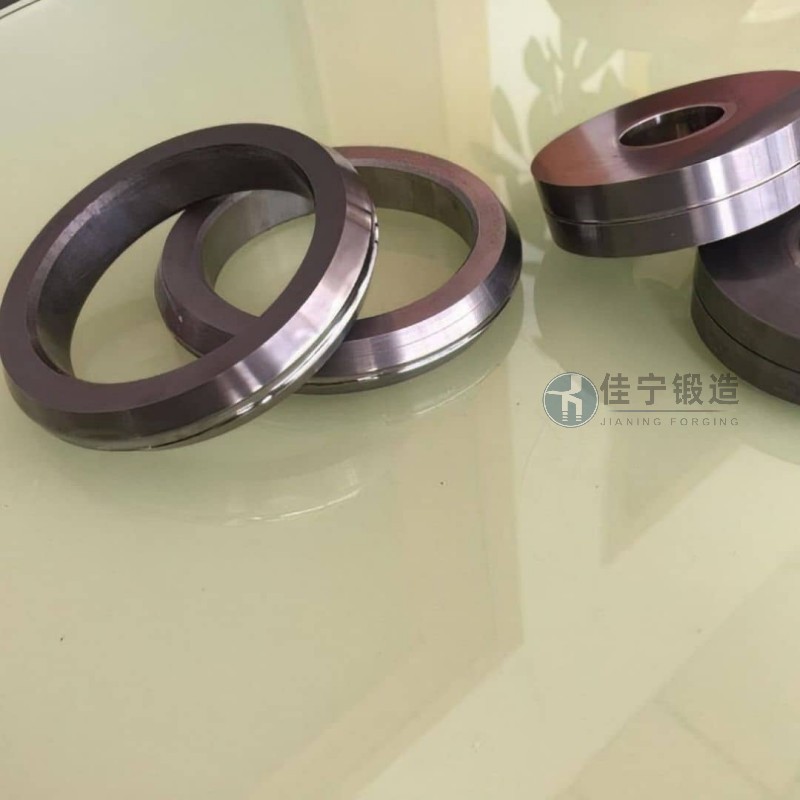
The choice of nickel alloy is a critical factor in the performance of a forged ring. Common grades include Inconel 718, Monel 400, Hastelloy C-276, and nickel-iron-chromium alloys, each engineered for distinct applications. For example, Inconel 718 is prized for its strength at elevated temperatures and excellent weldability, making it ideal for aerospace turbine components. Monel 400, rich in nickel and copper, excels in marine and chemical environments due to its resistance to chloride-induced stress corrosion. Jining's expertise lies in selecting the right alloy based on client specifications—considering factors like operating temperature, exposure to chemicals, and mechanical stress—to ensure the forged ring meets or exceeds industry standards.
The manufacturing of nickel alloy forged rings involves a series of controlled steps to achieve optimal shape, size, and internal structure. The process typically begins with heating the nickel alloy billet to a temperature between 1000-1200°C (depending on the alloy), then subjecting it to hot forging. This involves shaping the ring through a series of dies, such as upsetting, piercing, and expanding, to achieve the desired inner and outer diameters and wall thickness. Subsequent steps include heat treatment (e.g., solution annealing and aging) to relieve stress and enhance mechanical properties, followed by precision machining to meet tight tolerances. Jining employs advanced forging equipment and skilled technicians to maintain consistency, ensuring each ring meets the stringent dimensional and surface finish requirements. This meticulous process results in a product with uniform grain flow and minimal defects, critical for long-term performance.
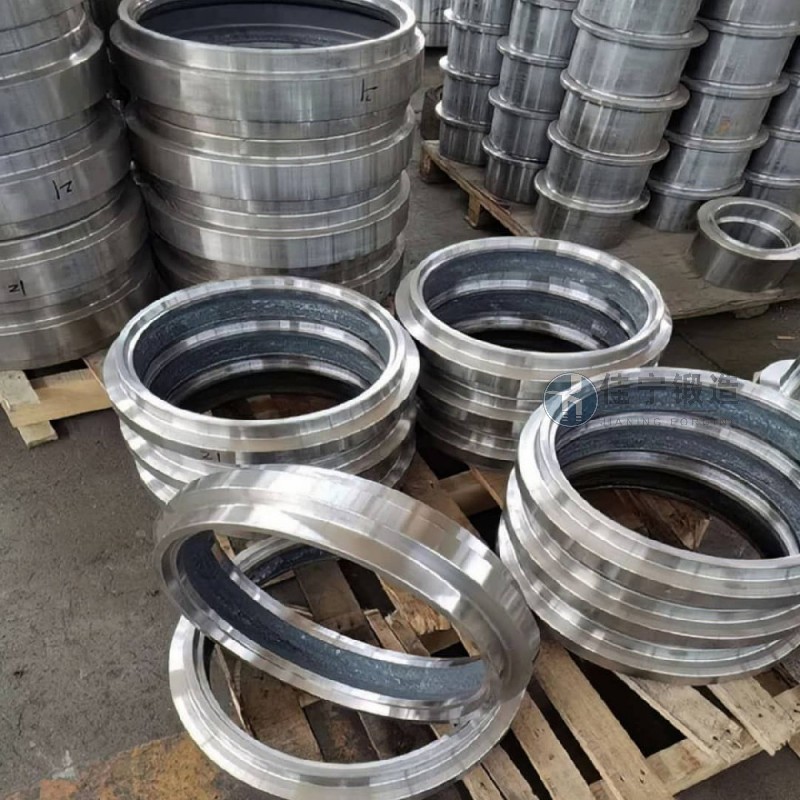
Nickel alloy forged rings find widespread use in sectors where reliability under extreme conditions is paramount. In the aerospace industry, they are integral to turbine engines, where they serve as seals, bearings, or structural components, enduring high temperatures and cyclic loads. In the energy sector, particularly nuclear power, they are used in reactor components, such as fuel cladding or pressure vessel parts, where corrosion resistance and radiation stability are essential. The chemical processing industry relies on nickel alloy forged rings for pumps, valves, and heat exchangers, which must resist aggressive chemicals and maintain performance over decades. These applications highlight the versatility of nickel alloy forged rings, as they adapt to diverse challenges while delivering consistent performance.
The benefits of nickel alloy forged rings extend beyond mere functionality, offering significant advantages to end-users. Their high-temperature strength ensures that components remain operational even under demanding thermal conditions, reducing the risk of failure and downtime. Corrosion resistance minimizes maintenance costs and extends service life, making them a cost-effective choice in harsh environments. The precision of forging also reduces the need for post-processing, streamlining manufacturing and reducing material waste. For industries where safety and efficiency are critical, nickel alloy forged rings provide a reliable solution that enhances overall system performance. Jining's commitment to quality and customization ensures that each nickel alloy forged ring is tailored to meet specific client needs, delivering both performance and value.
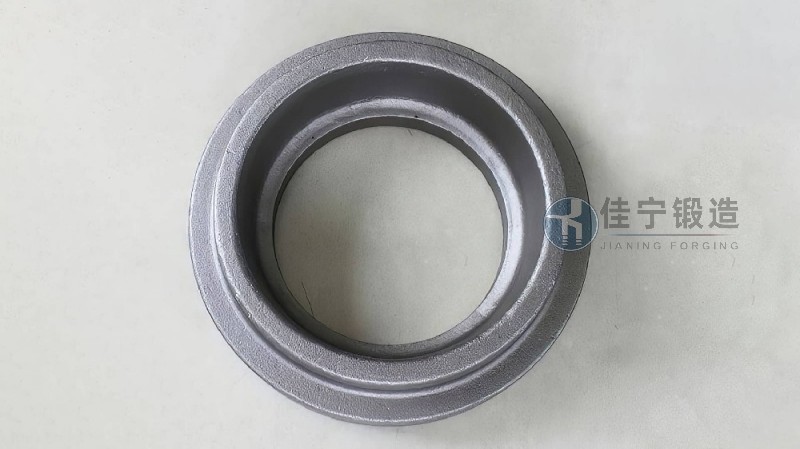
For industries seeking superior performance and reliability in extreme conditions, Jining's nickel alloy forged rings stand as a testament to precision engineering. Whether you require a standard component or a custom-designed solution, Jining offers expertise and quality that align with your operational goals. Contact us today to explore how our nickel alloy forged rings can enhance the performance of your equipment and extend its service life. Discover the difference that a well-crafted nickel alloy forged ring can make in your industrial applications.

 Shanxi Jianing Forging Co., Ltd
 176 9623 6479(Manager Xue)
  176 9623 6479
  Cuijiazhuang Industrial Park, Dingxiang County, Xinzhou City, Shanxi Province
 telephone
top