
News
致力于为各行业提供:环形锻件、轴锻件、模锻件等自由锻造和模锻锻造件。In industrial pipeline systems, 304 butt weld flanges are critical connection components that directly impact system safety and economic efficiency. However, with diverse products and prices on the market, accurately assessing and selecting a 304 butt weld flange that meets performance requirements while optimizing cost is a key challenge for engineers and purchasers. This article systematically analyzes material characteristics, manufacturing processes, specification matching, and supplier selection to help maximize cost-effectiveness.
304 stainless steel, with its excellent corrosion resistance, strength, and processing performance, is the preferred material for industrial pipeline flanges. However, material costs vary significantly. Standard 304 stainless steel flanges are cost-effective for general industrial environments, while 304L (ultra-low carbon) offers superior intergranular corrosion resistance for high-temperature or strong-corrosion scenarios but at a higher price. Selection should align with actual working conditions to avoid over-specifying materials or insufficient performance. For example, in ordinary chemical pipelines, standard 304 material butt weld flanges meet requirements, balancing corrosion resistance and cost.
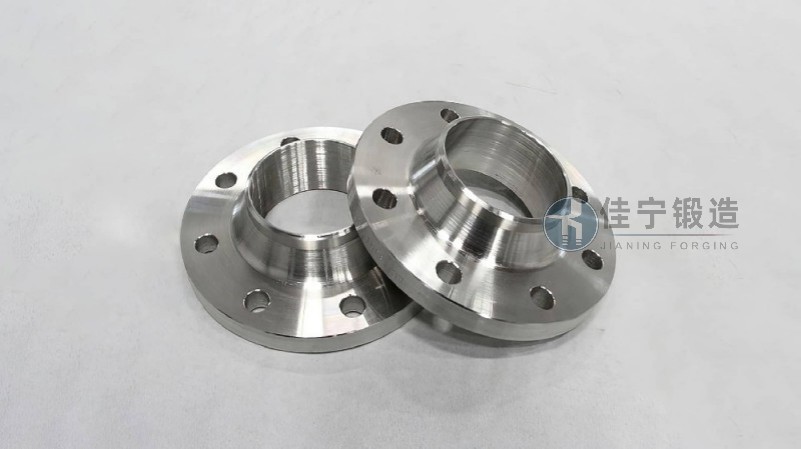
The manufacturing process of 304 butt weld flanges affects performance and cost. Forged flanges, produced via hot forging, have more uniform internal structures, higher strength, and better fatigue resistance but are more expensive and time-consuming. Cast flanges are cheaper and more efficient but may have internal defects like shrinkage or inclusions, compromising long-term safety. For critical systems like oil and chemical industries, forged flanges are recommended despite higher initial costs to avoid downtime and repair expenses. As a professional 304 butt weld flange manufacturer, Jianing forging uses advanced forging technology to ensure products meet international standards, balancing performance and cost.
Flange dimensions, pressure ratings, and sealing face types directly impact cost. Standard specifications (e.g., ASME B16.5, ISO 7005-1) have mature production processes and inventory, with stable and lower costs. Custom non-standard flanges (special sizes or sealing faces) require additional molds or processes, increasing costs. Prioritize standard specifications in project planning to reduce customization needs. For example, in conventional oil pipelines, selecting ASME B16.5 standard flanges meets design requirements and reduces procurement costs.
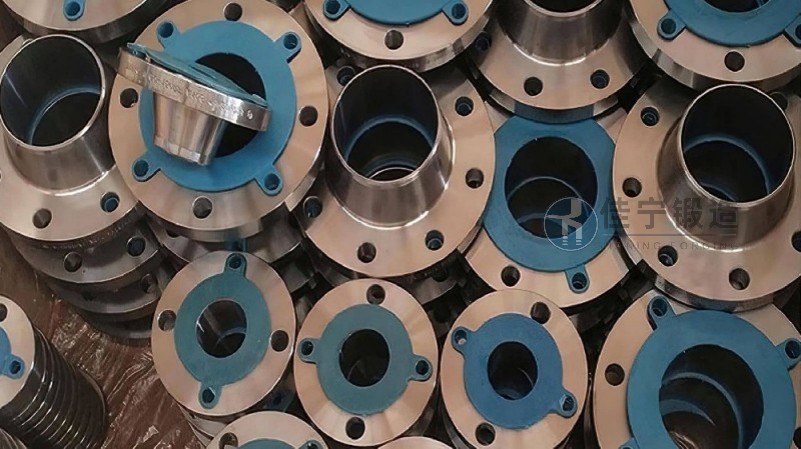
Selecting a qualified 304 butt weld flange manufacturer is key to cost control. Reputable manufacturers typically have complete R&D, production, and inspection systems, with products meeting international standards (e.g., ASTM A182, ASME B16.5) and ISO 9001 certification. For instance, Jianing forging, a well-known manufacturer, offers technical consultation alongside standard products, helping customers choose the most suitable flange specifications to avoid cost waste. Long-term cooperation may also provide bulk purchase discounts, further reducing unit costs. When selecting manufacturers, consider qualifications, quality certifications, technical support, and after-sales service, not just price.

If you need a cost-effective 304 butt weld flange for industrial pipelines, Jianing forging is ready to provide professional technology, high-quality products, and reasonable prices with customized solutions. We offer comprehensive services from standard to custom, and provide detailed cost analysis and technical support. Contact our professional team for more detailed quotes or product information to maximize cost-effectiveness together.

 Shanxi Jianing Forging Co., Ltd
 176 9623 6479(Manager Xue)
  176 9623 6479
  Cuijiazhuang Industrial Park, Dingxiang County, Xinzhou City, Shanxi Province
 telephone
top